Buyer intent content maps
We reverse engineer keywords from your sales conversations and buying decisions, prioritizing comparison, alternative and category terms over generic informational ones.
Most content plans fail because they target the wrong keywords from day one. We build content systems that start with buyer intent, use topic clusters to build authority, and produce content that ranks on Google, gets cited by AI and brings in qualified enquiries.
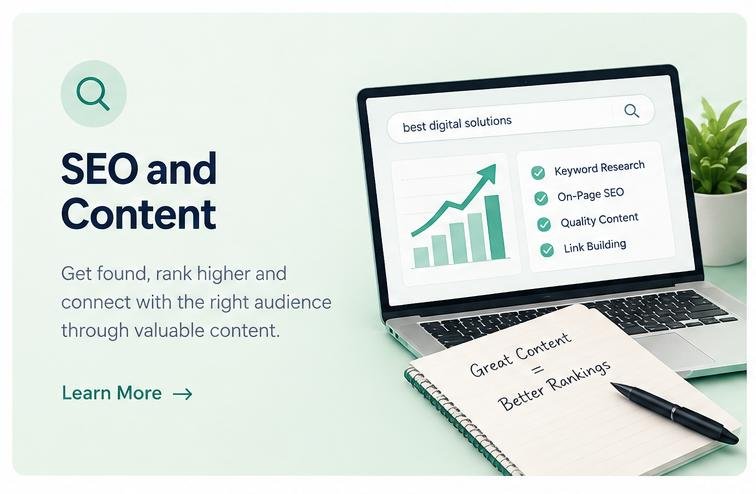
Informational content is losing clicks. AI Overviews now appear on roughly a quarter of searches, and on pages where an AI summary shows up, only around 8 percent of visits turn into clicks. Every "what is" or "how to" blog you publish without a conversion path is feeding Google's answer, not your pipeline.
At the same time, high-intent content is gaining. Comparison pages, pricing pages, alternative pages and use-case specific depth still drive clicks, because the searcher wants to act, not read a summary. Visitors from AI search convert at roughly three times the rate of traditional organic traffic. The lesson is simple: write for the buyer who is deciding, not the reader who is browsing.
We reverse engineer keywords from your sales conversations and buying decisions, prioritizing comparison, alternative and category terms over generic informational ones.
One authoritative 3,000 to 5,000 word pillar page supported by 8 to 15 deep cluster articles. This structure lifts AI citation rates from around 12 percent to 41 percent and adds 30 percent or more in organic traffic.
Format follows search intent. Comparison pages give honest pros and cons. Pricing pages show real tiers. Blog posts answer the searcher's question directly, without filler.
Service pages and landing pages written for the decision stage, removing friction and guiding the reader to a clear next step.
Built for citation. Clear semantic structure, direct answers up front, FAQ schema and depth that language models can parse and quote.
We track conversion events, pipeline contribution and AI citations, not pageviews and time on page.
Every engagement starts with a free content audit. We review what you have, look at the competitive landscape and search data, then recommend whether you need strategy, execution or both.
| Strategy sprint | Content engine retainer | Full partnership | |
|---|---|---|---|
| Best for | Teams needing a roadmap | Companies with internal writers | Teams wanting strategy and execution |
| Buyer intent keyword research | Included | Included | Included |
| Pillar and cluster architecture | Full blueprint | Quarterly refresh | Continuous |
| Content writing | Briefs only | 4 to 6 pieces per month | 8 to 12 pieces per month |
| AI search optimization | Guidelines | Applied to each piece | Applied plus citation tracking |
| Performance reporting | One time report | Monthly | Monthly plus pipeline analysis |
| Volume content | Freelance writers on demand | Webzelia content strategy | |
|---|---|---|---|
| Keyword selection | Whatever ranks | Briefed by you | Mapped to buyer intent and pipeline |
| Content structure | Random blog posts | Isolated articles | Pillar pages and topic clusters |
| AI search readiness | Not considered | Rarely | Built into every piece |
| Measurement | Traffic and rankings | Word count delivered | Conversion events and pipeline |
| Long term effect | Content debt | Starts over each time | Compounding content asset |
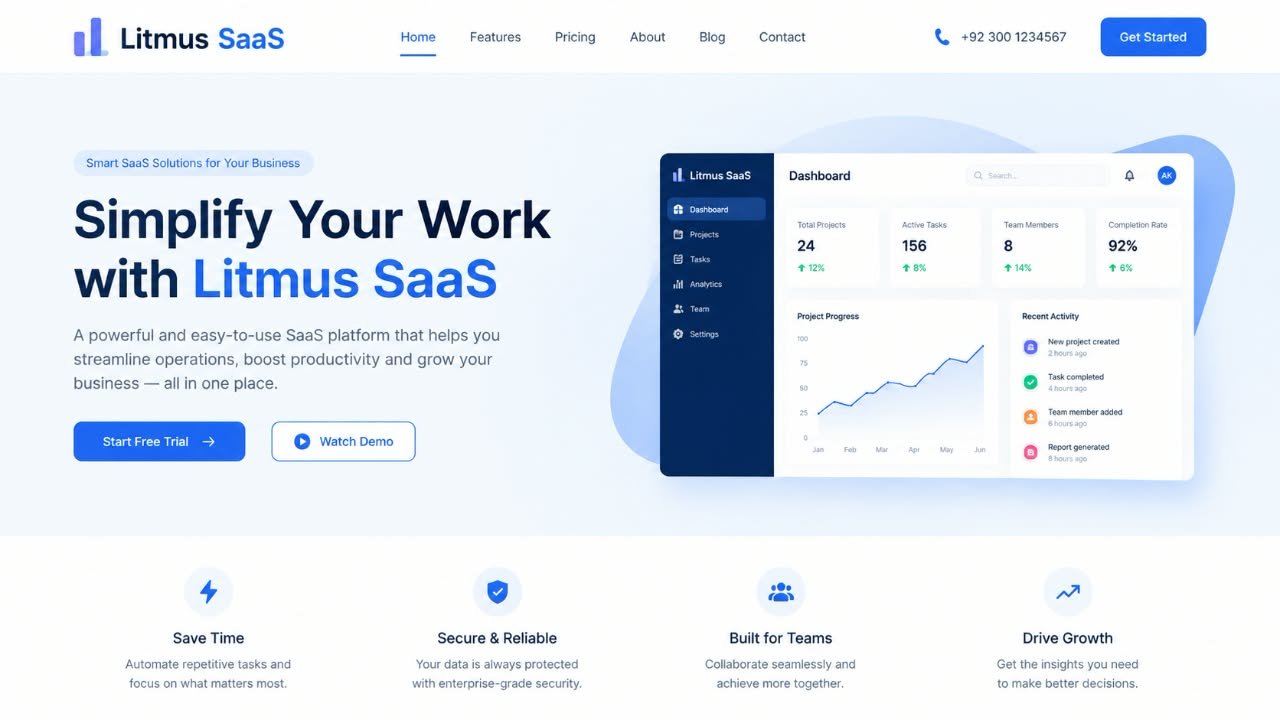
Products with long sales cycles that need content to educate, compare and convert throughout the funnel.
Law firms, consultancies and agencies where expertise and trust decide who gets the enquiry.
Category and buying guide content that captures high-intent searches and feeds product pages.
Businesses with a blog that gets traffic but not leads, needing a strategy to turn it around.
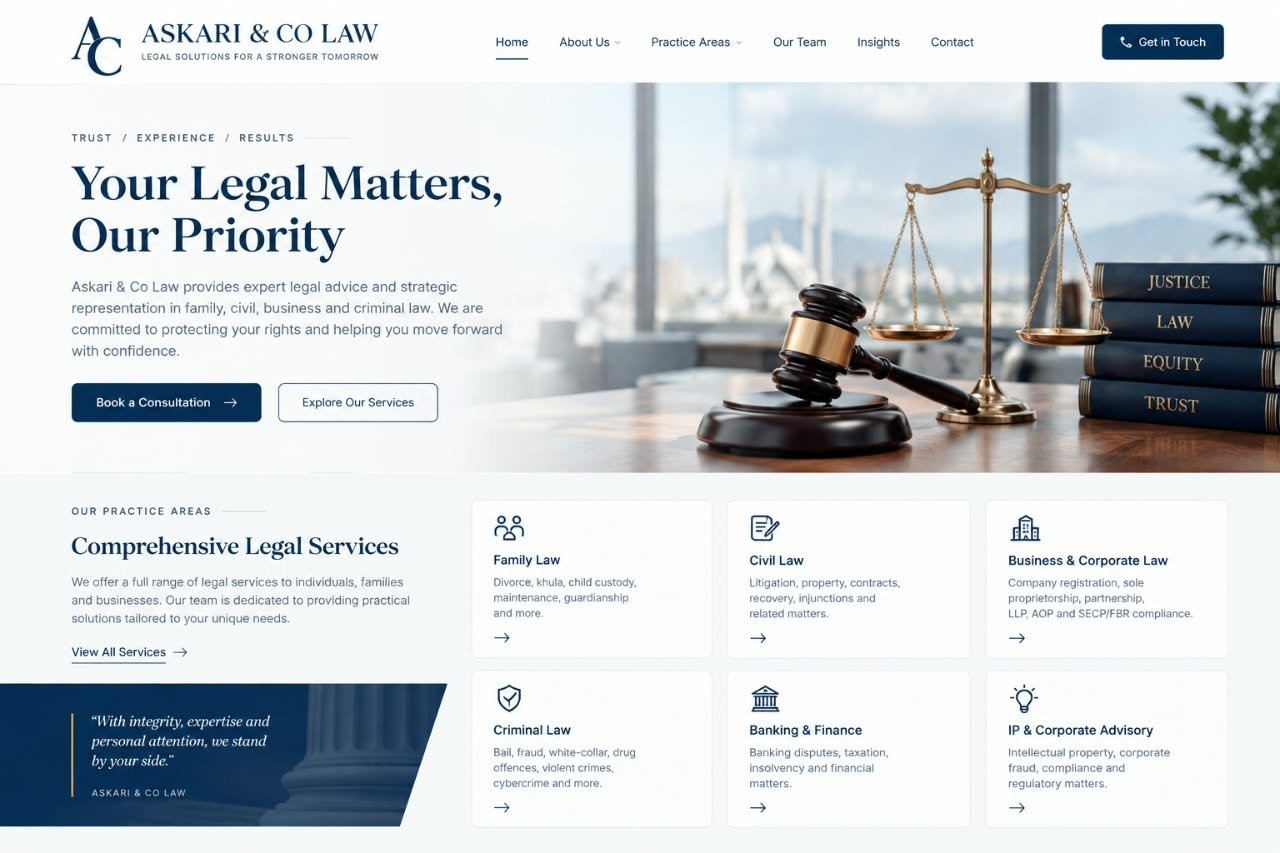
A content system built around legal intent keywords that took the firm to page one for its top local terms.
Category and buying guide content that lifted organic revenue and cut reliance on paid ads.
Comparison and use-case content that now contributes a measurable share of demo requests each month.
We review your existing content's search performance, competitive gaps and pages stuck in positions 4 to 20 that could reach page one with the right work. You get a straight diagnosis, no fluff.
Starting from buyer intent, we build a keyword to page map. We define your pillar topics and cluster article list, avoiding keyword cannibalization before it happens.
Every piece has a clear search intent, format target and conversion path. This is not writing articles. It is building content assets that search engines and AI systems can read and trust.
Each month we report on conversion events, pipeline contribution and AI citation changes, then adjust the next round of content and internal linking based on what the data shows.
They turned our blog from "write whatever comes up" into a system that actually feeds pipeline. Enquiries from high-intent pages doubled within four months.

Other agencies handed us articles. Webzelia handed us a roadmap. Every piece of content knows why it exists, and we can see what it contributes.

Our AI search citations went up noticeably, and it was not from publishing more. It was from publishing with structure and intent.

Writing is the execution. Strategy decides what to write, who it is for, how it is organized and how success is measured. Without a strategy, writing produces content. With one, it builds an asset that compounds. We do both, but strategy comes first.
No. We work with B2B SaaS, professional services, ecommerce brands and businesses with complex buying decisions. The core logic applies to any business that needs to be found and chosen.
High-intent long-tail content usually shows ranking and conversion signals within 60 to 90 days. Topic clusters compound more clearly after six months. We track the performance of a cluster as a whole, not single article rankings.
We prioritize content AI cannot fully replace: comparison analysis, transparent pricing, use-case specific depth, and content that requires experience and judgment. We also structure content for AI citation so your brand stays visible even when a click does not happen.
Rarely, unless there is a clear conversion path. Pure definition content is being absorbed by AI summaries. We would rather put your budget into content that drives decisions and pipeline.
We track conversion events such as form fills, demo requests and purchases, plus their attribution, instead of pageviews. B2B SaaS SEO content shows strong multi-year returns, but only when attribution is set up correctly.
Yes. We start with a free content audit that reviews what you have, identifies pages stuck in positions 4 to 20 that could be pushed to page one, and flags content that is cannibalizing or wasting budget.
Access to your analytics and Search Console, a short call about your buyers and sales process, and any existing content or brand guidelines. We handle the rest.
Fill out the form or reach us directly. We read every message ourselves and reply within one business day, usually with a free content audit of your existing pages.
Tell us what you have and what you want it to do. We will send an honest content audit within one business day, showing where budget is being wasted and where to start.
Webzelia is a web development and social media marketing agency, building websites, web apps and growth campaigns for businesses across the world. Find out countries we serve.