Product strategy and discovery
We define what the product is, who it is for and what problem it solves. Feature prioritization, market validation and a clear product direction before design begins [citation:8].
Building a product is not just about features. It is about solving a real problem in a way that feels obvious, fast and trustworthy. We design digital products and apps for web and mobile, from early strategy and validation to pixel-perfect UI and design systems your developers can build from.
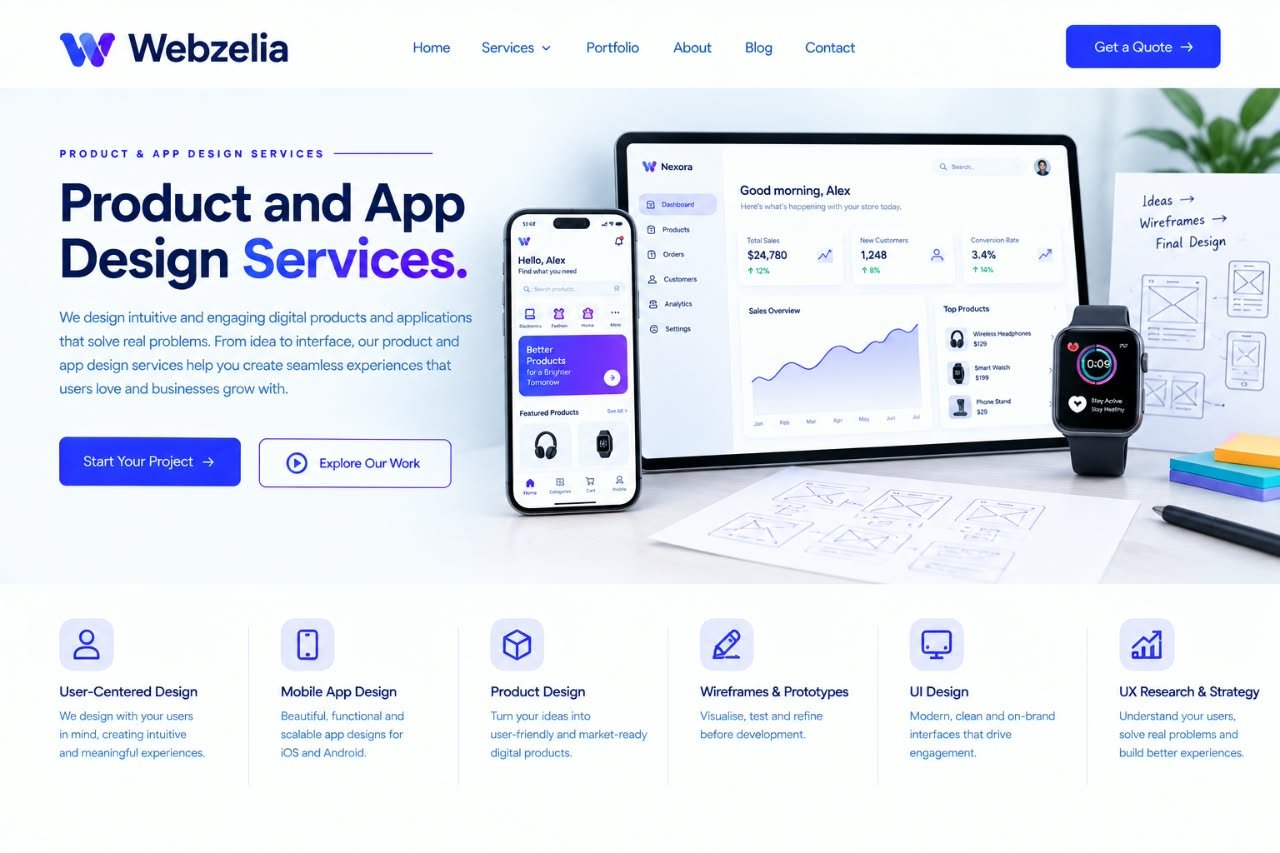
Most products do not fail because the technology is wrong. They fail because the experience is confusing, slow or disconnected from what users actually need. Product design is the work of closing that gap. It starts with understanding the problem, defining what the product should do, and designing an experience that feels natural to use [citation:12].
A product designer thinks beyond individual screens. They balance user needs with business goals, technical constraints and long-term product vision [citation:6]. That perspective is what turns a collection of features into a product people choose to use, and keep using.
We define what the product is, who it is for and what problem it solves. Feature prioritization, market validation and a clear product direction before design begins [citation:8].
Interviews, user stories and journey mapping. We understand what users are actually trying to do, then design flows that get them there without friction [citation:5].
Low-fidelity wireframes to establish structure, then clickable prototypes to test the experience before a single line of code is written [citation:2].
High-fidelity interfaces that work across devices. We design for platform conventions, accessibility and visual consistency, so the product feels native wherever it runs [citation:2].
Reusable components, documented styles and clear guidelines. A design system means your product stays consistent as it grows, and your developers build faster [citation:1].
We put designs in front of real users, watch where they struggle and refine based on what we learn. Testing early saves expensive fixes later [citation:2].
Every engagement starts with a conversation about your product, your users and what is not working. We recommend the scope that fits, from validating an idea to designing a full product.
| Concept validation | MVP design | Full product design | |
|---|---|---|---|
| Best for | Testing an idea before building | Launching a first version | Building or scaling a complete product |
| Product strategy | Light discovery | Included | Full strategy and roadmap |
| User research | Basic validation | Targeted research | Full research and personas |
| Wireframes and flows | Key screens only | Core flows | Complete IA and flows |
| UI design | Prototype quality | Production ready | Full UI with all states |
| Design system | Not included | Component library | Complete design system |
| Usability testing | Included | Included | Multiple rounds |
| Developer-led product | Template-based design | Webzelia product design | |
|---|---|---|---|
| Problem definition | Assumed | Not considered | Defined through research |
| User flows | Whatever is easy to code | Generic patterns | Designed around user goals |
| Validation | After launch | None | Prototypes tested before build |
| Consistency | Drifts as features grow | Breaks when customised | Design system keeps it stable |
| Developer handoff | Guesswork | Limited | Documented and organised |
Teams building something new who want to validate the idea and get the experience right from the start, not fix it later.
Products with complex workflows that need to feel simple, and features that need to be designed, not just shipped.
iOS and Android apps where the experience on a small screen decides whether people come back.
Teams with a product that works technically but struggles with adoption, retention or user complaints.
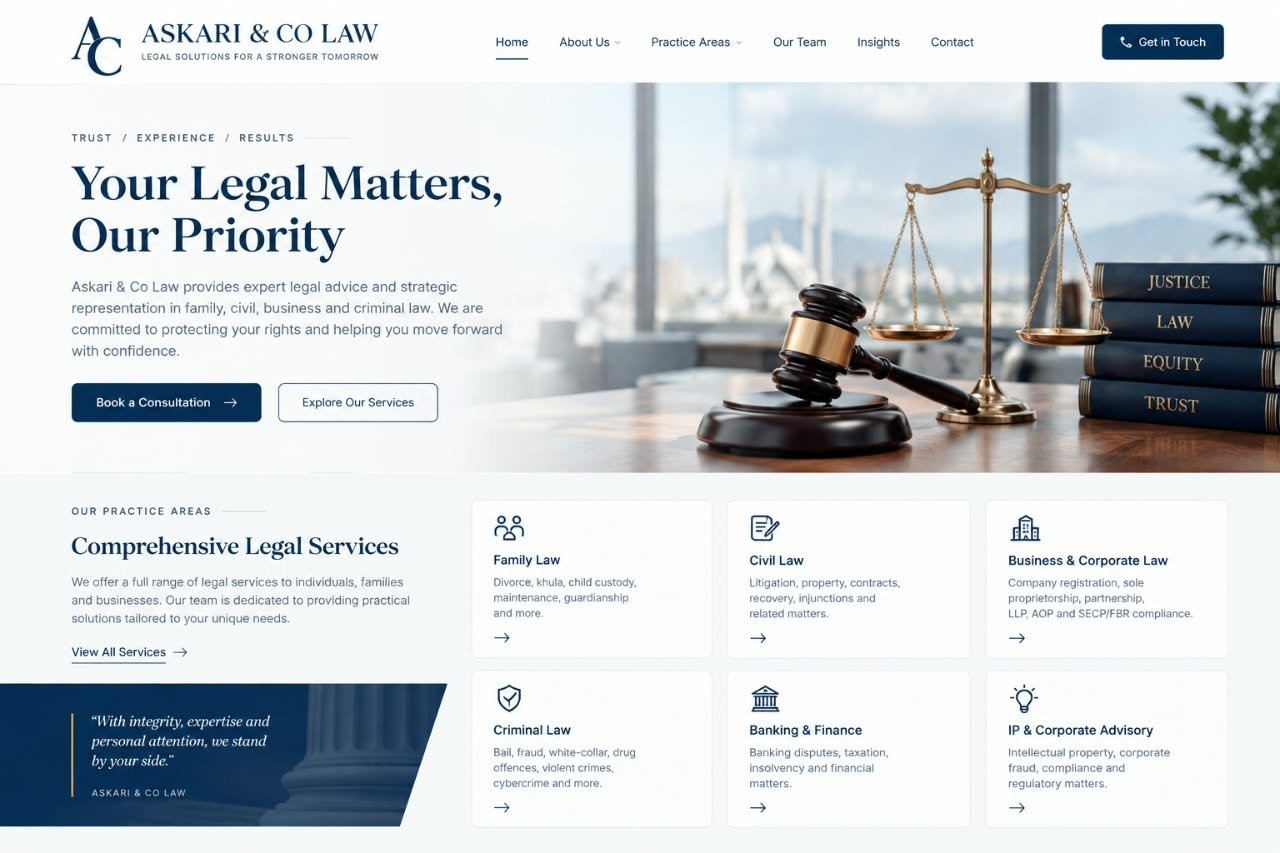
A client-facing portal that made case updates and document sharing simple for both lawyers and clients.
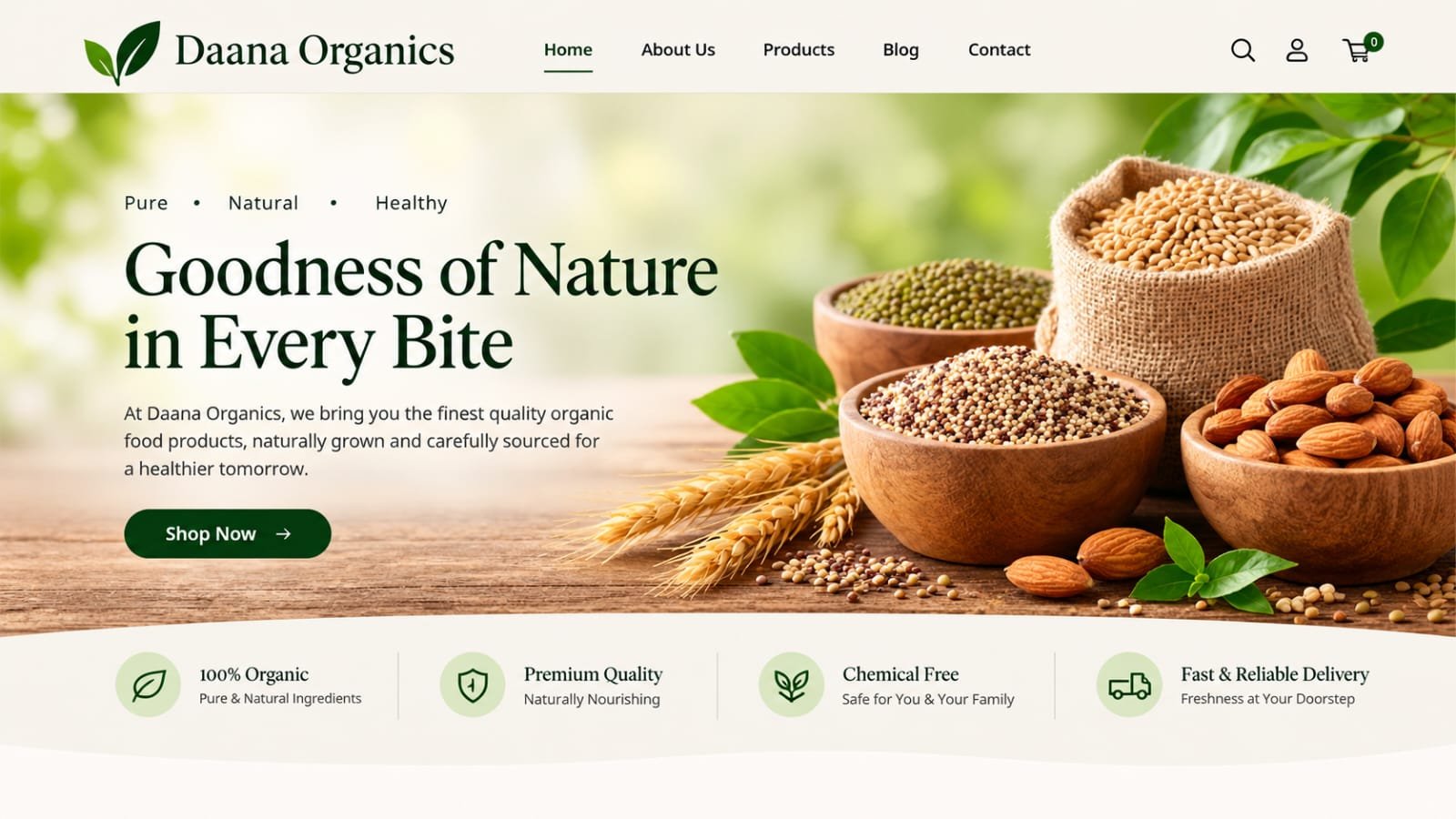
A mobile shopping experience designed for quick browsing, clear product info and a checkout that does not lose people.
A complex data dashboard redesigned to surface insights instead of overwhelming users with numbers.
We learn about your product, your users and your goals. Research, interviews and competitive review. We define the problem before designing the solution.
Product strategy, feature prioritization and user flows. We map out what the product should do and how users will move through it. Wireframes make the structure visible.
High-fidelity UI, interactive prototypes and a component library. We test with users, refine based on feedback and build the design system as we go.
Organised Figma files, documented components and a walkthrough with your developers. We stay available during implementation to answer questions and review the build.
They did not just design screens. They helped us figure out what the product should actually be. The prototype saved us from building the wrong thing.

The design system they built means our developers can ship new features in half the time. No more debating button styles every sprint.

Our app used to lose people at onboarding. They found the problem, redesigned the flow, and completion went up. That is design paying for itself.

Product design is the process of solving user problems through digital products. It goes beyond UI and UX to include product strategy, understanding business goals, defining features, validating ideas and designing experiences that are usable, useful and desirable. A product designer thinks about the whole product, not just the screens [citation:12].
UI/UX design focuses on how users interact with a product and how it looks. Product design takes a broader view, balancing user needs with business goals and technical constraints. Product designers often handle strategy, feature definition and long-term product vision alongside UI and UX work [citation:6].
Yes. We design web applications, mobile apps for iOS and Android, and responsive digital products that work across devices. The approach adapts to platform conventions while keeping the experience consistent with your brand.
Typically: product discovery and strategy, user research, user flows and information architecture, wireframes, interactive prototypes, high-fidelity UI design, design systems and developer handoff. The exact scope depends on where your product is and what it needs [citation:1].
A focused MVP design takes 4 to 8 weeks. A full product with multiple features and a design system takes longer. Product design is often iterative, so we work in cycles rather than trying to design everything at once.
Yes. We design clickable prototypes that let you test the concept with real users before investing in development. This is one of the most cost-effective ways to reduce risk and avoid building something nobody wants [citation:2].
Figma is our primary design tool. We also use tools for prototyping, user testing and documentation. Everything is delivered in organised, developer-ready files with components and specs.
Yes. We audit existing products, identify friction points and usability issues, and redesign flows or entire features. Sometimes a targeted fix is all that is needed. Other times a broader redesign makes more sense.
Fill out the form or reach us directly. We read every message ourselves and reply within one business day, usually with a few questions about your users and what is not working.
Tell us about your product and your users. We will reply within one business day with a clear view of what we would look at and how we can help.
Webzelia is a web development and social media marketing agency, building websites, web apps and growth campaigns for businesses across the world. Find out countries we serve.